☰ Menu
Images
Products
Log in
Basket:
0
items
Popular
Subjects
Artists
Collections
Art prints
Frames
Canvases
Postcards
Gift cards
Velasquez posters & prints
Showing 1 to 27 of 27
Search these images +
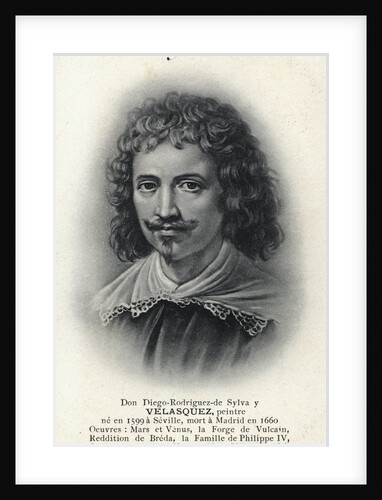
Velasquez Illustration
Anonymous
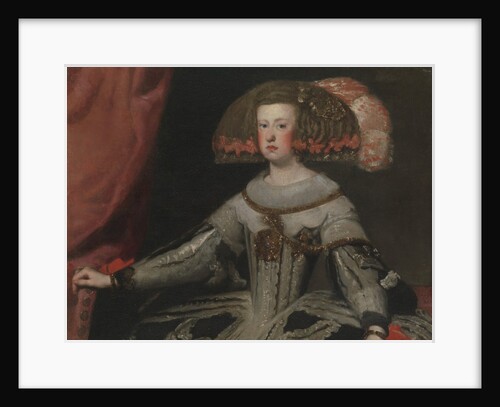
Mariana of Austria, Queen of Spain
Workshop of Velázquez
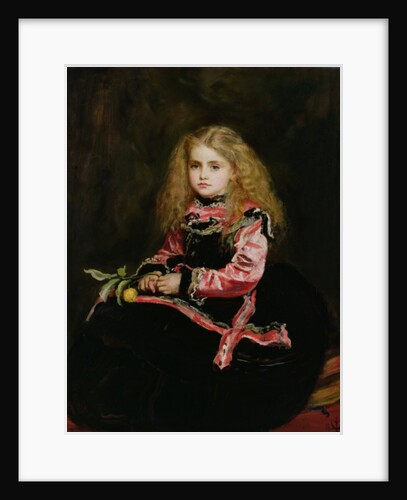
Souvenir of Velasquez
John Everett Millais
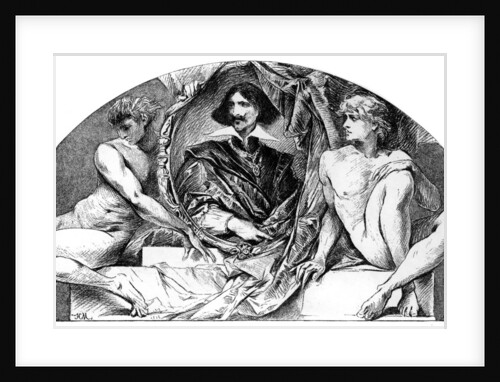
Diego Velazquez, Spanish artist
Hans Makart
Equestrian portrait of King Philip IV -
Diego Velasquez
The Lady with a Fan
Diego Velasquez
Philip IV of Spain
Diego Velasquez
Philip IV of Spain in Brown and Silver
Diego Velasquez
Portrait of a Man, ca. 1630-35
Diego Velasquez
The Supper at Emmaus, 1622-23
Diego Velasquez
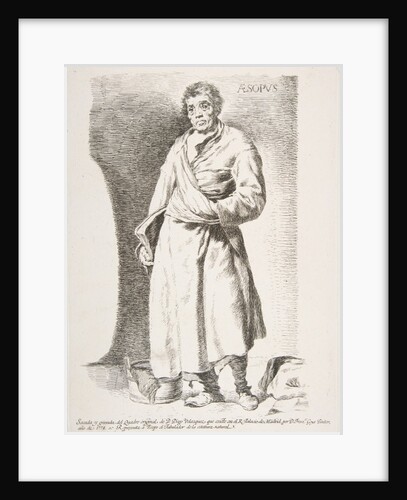
Aesop, from Etchings after Velazquez, 1778
Francisco Goya
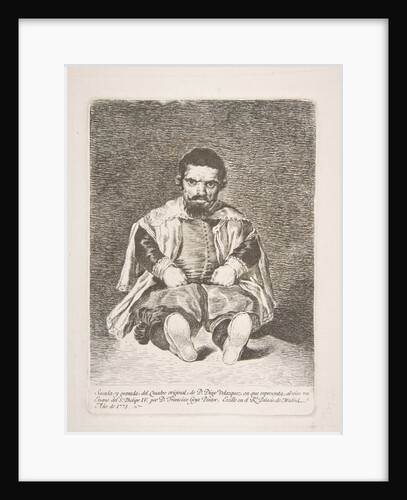
A dwarf known as 'El Primo' after Diego Velázquez, 1778
Francisco Goya
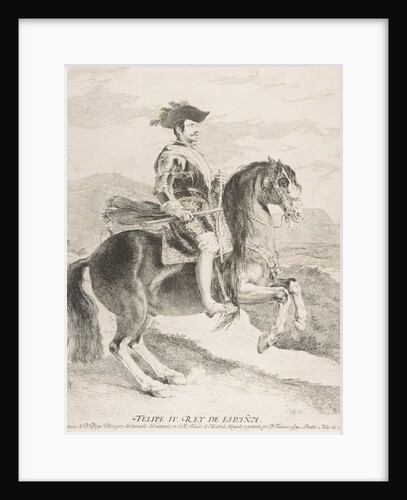
Philip IV on horseback, after Velázquez, 1778
Francisco Goya
Juan de Pareja, 1650
Diego Velasquez
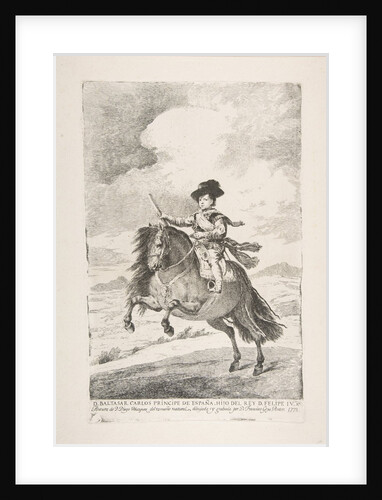
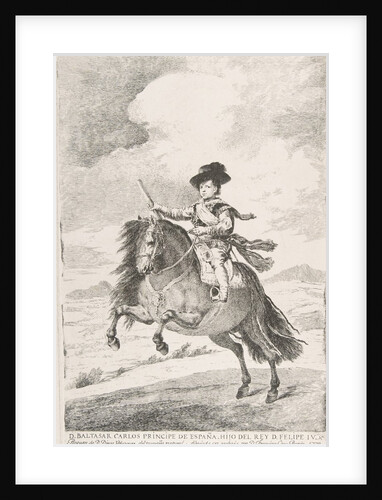
Balthasar Carlos, Prince of Spain and Son of Philip I
Francisco Goya
Portrait of Count-Duke of Olivares, 1638.
Diego Velasquez
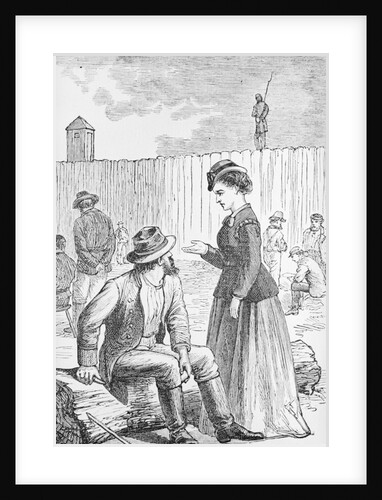
Illustration of Loretta Velasquez at Johnson's Island Prisoner of War Depot
Anonymous
Philip IV of Spain
Diego Velasquez
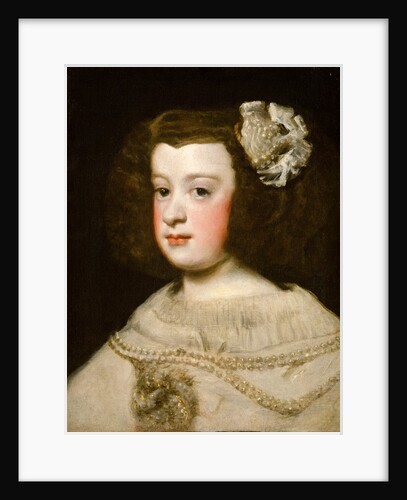
Maria Teresa, Infanta of Spain, mid-17th century
Workshop of Diego Rodríguez de Silva y Velázquez
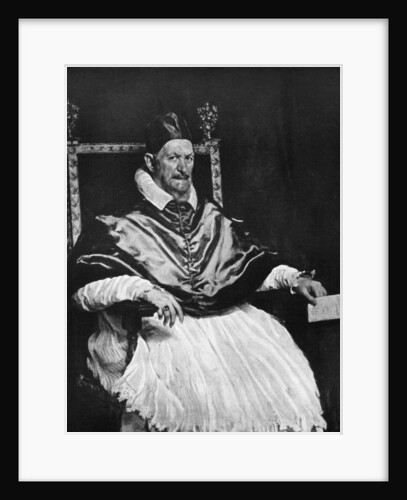
Pope Innocent X
Alinari
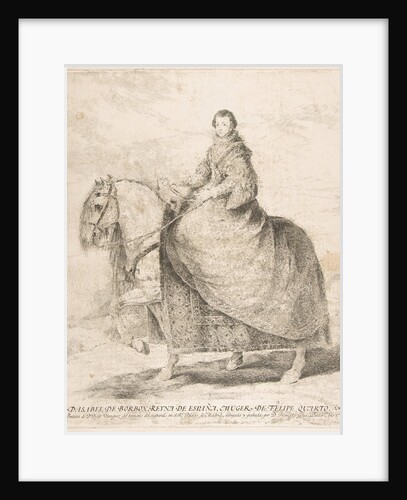
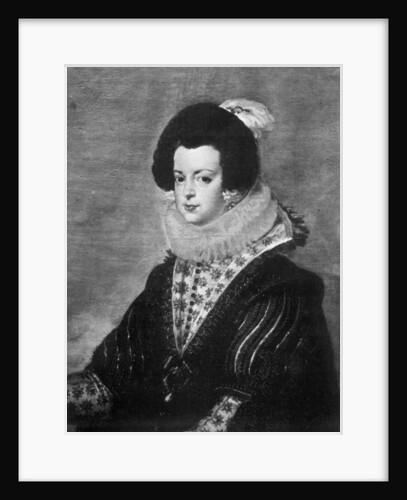
Isabel of Bourbon, Queen of Spain and wife of Philip I
Francisco Goya
Elisabeth of Bourbon, wife of King Philip IV of Spain
Anonymous
Baltasar Carlos, Prince of Spain and Son of Philip I
Francisco Goya
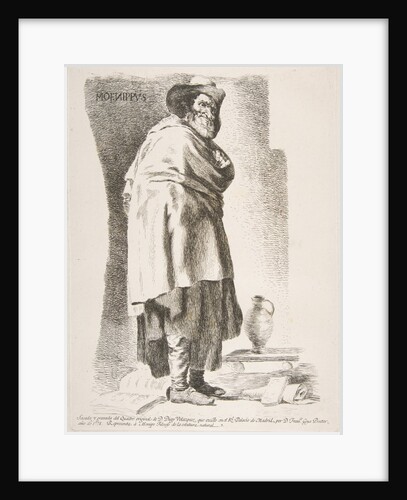
Moenippus, 1778
Francisco Goya
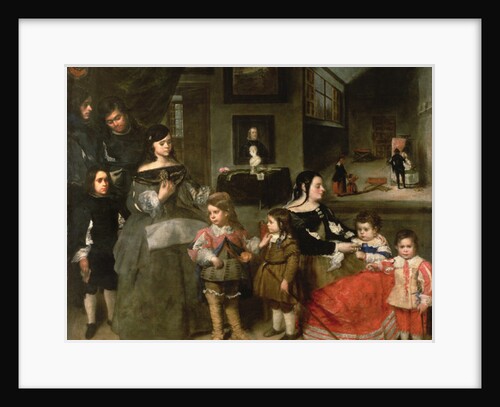
The Artist's Family
Juan Bautista Martinez del Mazo
Velázquez
Diego
Portrait of the Jester Calabazas, c. 1631-32
Diego Velázquez
Recently viewed
Clear history