
Sizing information
| Overall size (inc frame) | x cm ( x in) |
| Depth | cm (in) |
| Artwork | x cm ( x in) |
| Border (mount) |
cm
top/bottom
(in)
cm left/right (in) |
| The paper size of our wall art shipped from the US is sized to the nearest inch. | |

Our prints
We use a 200gsm fine art paper and premium branded inks to create the perfect reproduction.
Our expertise and use of high-quality materials means that our print colours are independently verified to last between 100 and 200 years.
Read more about our fine art prints.
Manufactured in the UK, the US and the EU
All products are created to order in our print factories around the globe, and we are the trusted printing partner of many high profile and respected art galleries and museums.
We are proud to have produced over 1 million prints for hundreds of thousands of customers.
Delivery & returns
We print everything to order so delivery times may vary but all unframed prints are despatched within 1–3 days.
Delivery to the UK, Ireland, mainland EU & US is free when you spend £75. Otherwise, delivery to the UK costs £5 for an unframed print of any size.
We will happily replace your order if everything isn’t 100% perfect.
Product images of Noa Noa: The Devil Speaks, 1893-1894



Product details Noa Noa: The Devil Speaks, 1893-1894
Noa Noa: The Devil Speaks, 1893-1894
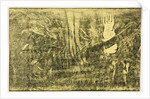
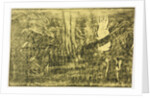
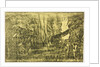
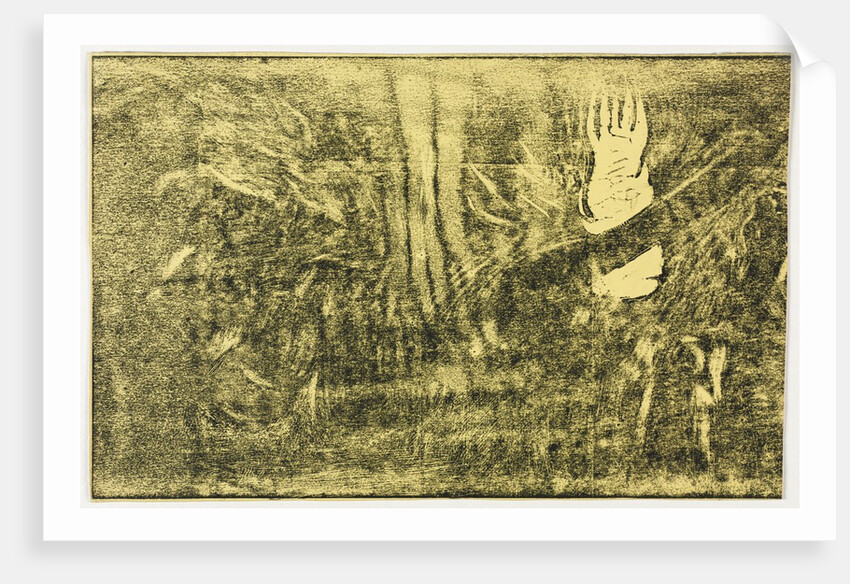
Noa Noa: The Devil Speaks (Mahna No Varua Ino) (recto), 1893-1894. When Gauguin returned to Paris from Tahiti in 1893, he conceived a book that would describe his life among the natives and place his South Seas paintings within context. Gauguin produced ten woodcuts to illustrate Noa Noa . Printed by hand, sometimes on coloured paper, these prints have a rough-hewn, coarse quality that enhances the subject matter. An experimental printmaker, Gauguin varied inks, papers, colours, printing pressure, and even modes of printing so that each impression is unique. He would sometimes ink the woodblock unevenly, creating a partially incomprehensible image on many first-state impressions and increasing the scene?s mystery and ambiguity, as here. In 1921 Gauguin's son Pola inked and wiped the block so that the subject is clearly visible.
- Image ref: 2735962
- Heritage Art/Heritage Images
Find related images
zoom