


Sizing information
| Overall size (inc frame) | x cm ( x in) |
| Depth | cm (in) |
| Artwork | x cm ( x in) |
| Border (mount) |
cm
top/bottom
(in)
cm left/right (in) |
| The paper size of our wall art shipped from the US is sized to the nearest inch. | |

Our framed prints
Every framed picture is created by hand in our workshop by specialist framers.
Black, white, silver, gold or natural frames available, supplied ready to hang.
All our frames have a smooth satin finish, and measure 20mm (front face) by 23mm (depth from wall).
Read more about our framed art prints.
Manufactured in the UK, the US and the EU
All products are created to order in our print factories around the globe, and we are the trusted printing partner of many high profile and respected art galleries and museums.
We are proud to have produced over 1 million prints for hundreds of thousands of customers.
Delivery & returns
We print everything to order so delivery times may vary but all framed pictures are despatched within 3 days.
Delivery to the UK, EU & US is free when you spend £75. Otherwise, delivery to the UK costs £10 for a single framed print.
We will happily replace your order if everything isn’t 100% perfect.
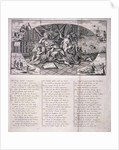
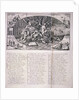
Product images of Dutch satire on the South Sea Bubble
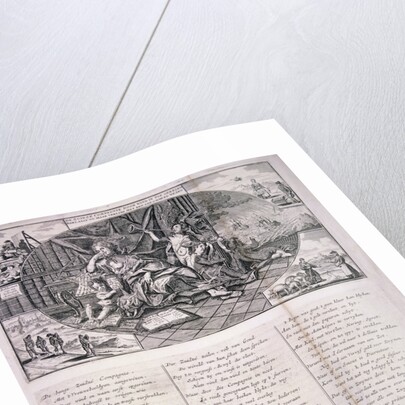

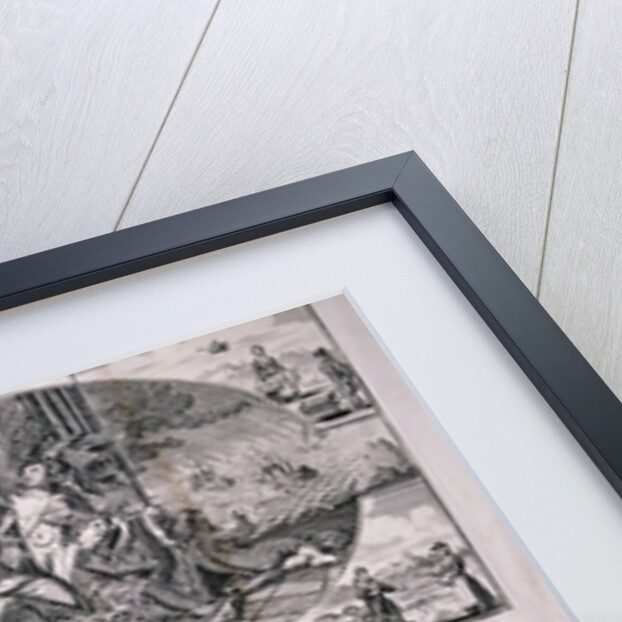

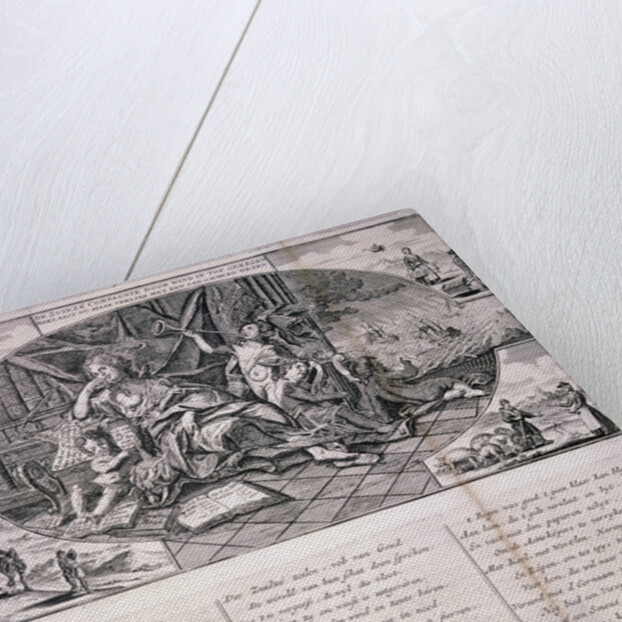
Product details Dutch satire on the South Sea Bubble
Dutch satire on the South Sea Bubble
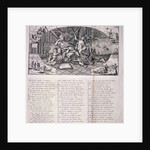
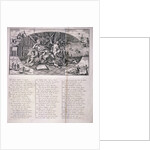
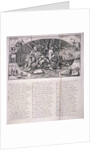
Dutch satire on the South Sea Bubble, 1720. Three columns of text are surmounted by five images; four spandrels contain images of Dutch rural life while the central oval shows a female draped figure seated and surrounded by children, one of whom blows a trumpet. Account books, etc. are scattered on the floor and ships at sea are visible through an opening on the right. This bubble, or hoax, centred on the South Sea Company which had been founded in order to trade with Spanish America on the assumption that the War of the Spanish Succession would end soon with a favourable treaty allowing trading. The Treaty of Utrecht in 1713 was not as favourable as hoped, although confidence was boosted when George I became governor of the company. However by September 1720 the market had collapsed and many investors were ruined.
- Image ref: 1237168
- The London Archives (City of London)
Find related images
zoom