
Sizing information
| Overall size (inc frame) | x cm ( x in) |
| Depth | cm (in) |
| Artwork | x cm ( x in) |
| Border (mount) |
cm
top/bottom
(in)
cm left/right (in) |
| The paper size of our wall art shipped from the US is sized to the nearest inch. | |

Our framed prints
Every framed picture is created by hand in our workshop by specialist framers.
Black, white, silver, gold or natural frames available, supplied ready to hang.
All our frames have a smooth satin finish, and measure 20mm (front face) by 23mm (depth from wall).
Read more about our framed art prints.
Manufactured in the UK, the US and the EU
All products are created to order in our print factories around the globe, and we are the trusted printing partner of many high profile and respected art galleries and museums.
We are proud to have produced over 1 million prints for hundreds of thousands of customers.
Delivery & returns
We print everything to order so delivery times may vary but all framed pictures are despatched within 3 days.
Delivery to the UK, Ireland, mainland EU & US is free when you spend £75. Otherwise, delivery to the UK costs £10 for a single framed print.
We will happily replace your order if everything isn’t 100% perfect.
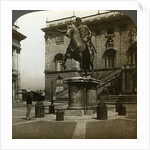
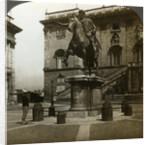
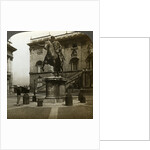
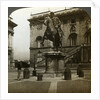
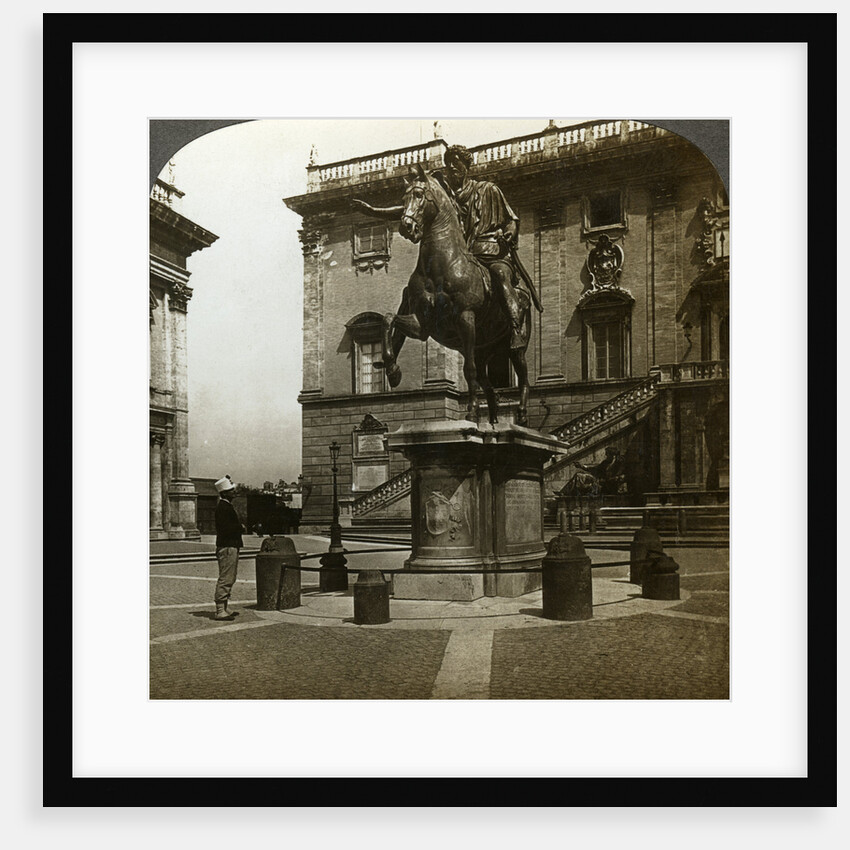
Product images of Statue of the Emperor Marcus Aurelius, Rome, Italy


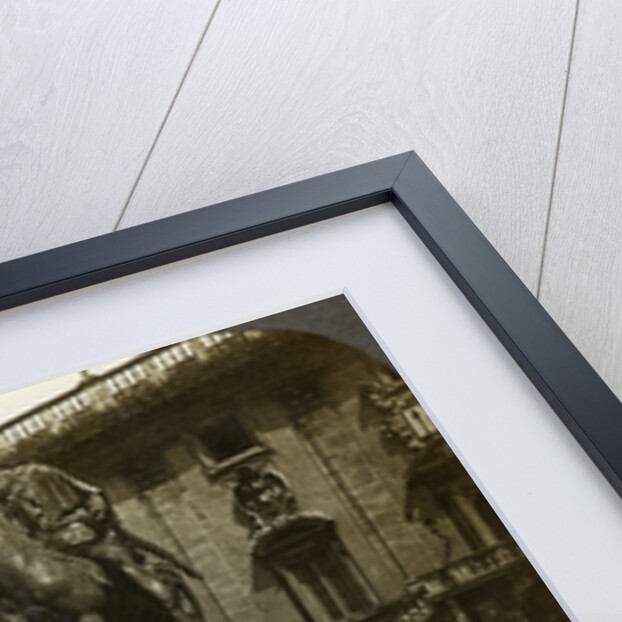

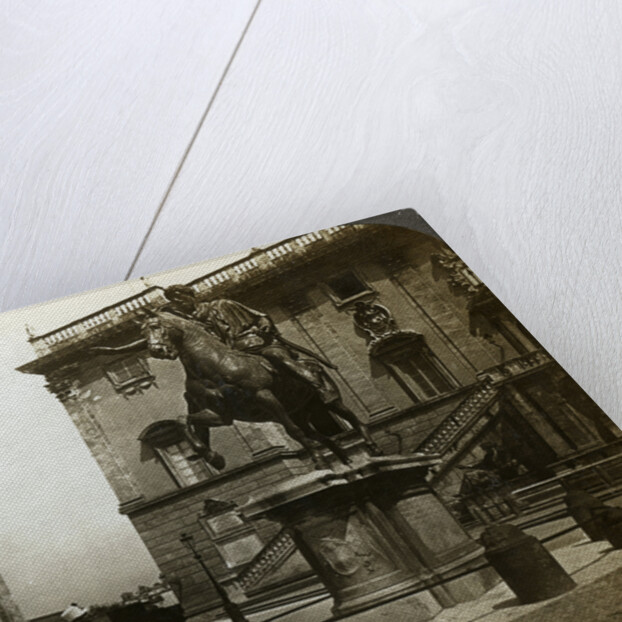
Product details Statue of the Emperor Marcus Aurelius, Rome, Italy
Statue of the Emperor Marcus Aurelius, Rome, Italy
Statue of the Emperor Marcus Aurelius, Rome, Italy. The last of the so-called 'Five Good Emperors', Marcus Aurelius ruled from 161 until his death in 180. This bronze equaestrian statue of him was erected in 176, but its original site is not known. It stood in the Lateran Palace in the 8th century and was moved to its present location in the Piazza del Campidoglio on the Capitoline Hill in 1538. The statue that can be seen today is a replica erected in 1981, with the original being kept in the Palazzo Nuovo. It is one of the few surviving Roman bronze equestrian statues, many of which were melted down to make coins and because in medieval times they were thought to represent pagan idols. Marcus Aurelius's statue probably survived because it was erroneously thought to portray Constantine, the first Christian Emperor of Rome. Stereoscopic card details.
- Image ref: 2359830
- The Print Collector / Heritage Images
Find related images
zoom