
Sizing information
| Overall size (inc frame) | x cm ( x in) |
| Depth | cm (in) |
| Artwork | x cm ( x in) |
| Border (mount) |
cm
top/bottom
(in)
cm left/right (in) |
| The paper size of our wall art shipped from the US is sized to the nearest inch. | |

Our framed prints
Every framed picture is created by hand in our workshop by specialist framers.
Black, white, silver, gold or natural frames available, supplied ready to hang.
All our frames have a smooth satin finish, and measure 20mm (front face) by 23mm (depth from wall).
Read more about our framed art prints.
Manufactured in the UK, the US and the EU
All products are created to order in our print factories around the globe, and we are the trusted printing partner of many high profile and respected art galleries and museums.
We are proud to have produced over 1 million prints for hundreds of thousands of customers.
Delivery & returns
We print everything to order so delivery times may vary but all framed pictures are despatched within 3 days.
Delivery to the UK, Ireland, mainland EU & US is free when you spend £75. Otherwise, delivery to the UK costs £10 for a single framed print.
We will happily replace your order if everything isn’t 100% perfect.
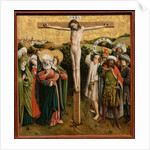
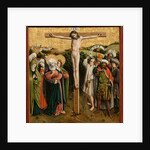
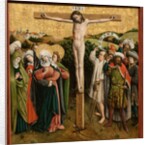
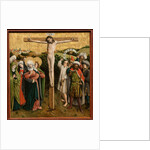
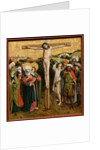
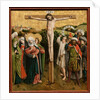
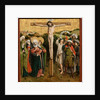
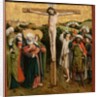
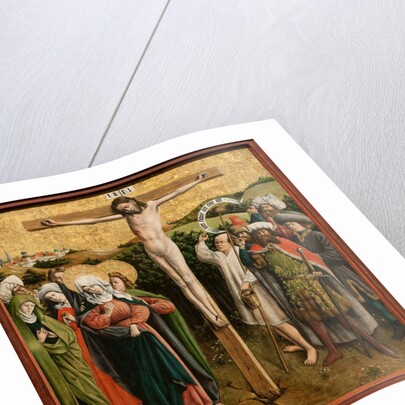
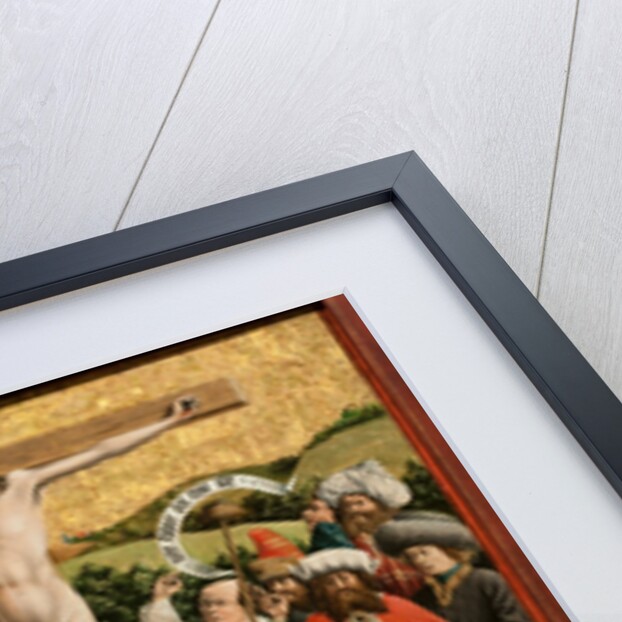
Product images of Altarpiece with The Passion of Christ, c. 1440s


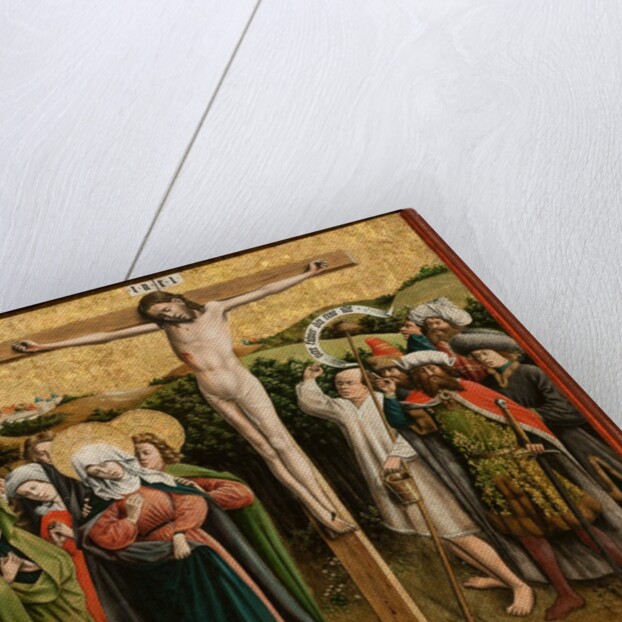
Product details Altarpiece with The Passion of Christ, c. 1440s
Altarpiece with The Passion of Christ, c. 1440s
Master of the Schlägl Altarpiece
Altarpiece with The Passion of Christ, c. 1440s. The visual focus of this altarpiece is the suffering and death of Christ on the cross. So-called Passion cycles in art include the events leading up to and following the Crucifixion, not only as single subjects but as scenes meant to be read in sequence. Passion cycles were promoted by the two great teaching orders, the Franciscans and the Dominicans, for whom this subject represented the main religious drama of their churches, and also by the German mystics who advocated private contemplation on the humanity and suffering of Christ. The original context for this altarpiece remains unknown, but it was probably made for a religious institution in Westphalia in the Rhine Valley. During the 1870s it was given to the Abbey of Schlägl, near Linz in Upper Austria, from which both altarpiece and artist take their names. The altarpiece is not preserved today in its original format, and some of the individual scenes are missing. Scholars continue to debate the original number of scenes and their sequencing; nine of the original panels have survived.
- Image ref: 2722808
- Heritage Art/Heritage Images
Find related images
zoom