Sizing information
| Overall size (inc frame) | x cm ( x in) |
| Depth | cm (in) |
| Artwork | x cm ( x in) |
| Border (mount) |
cm
top/bottom
(in)
cm left/right (in) |
| The paper size of our wall art shipped from the US is sized to the nearest inch. | |

Our prints
We use a 200gsm fine art paper and premium branded inks to create the perfect reproduction.
Our expertise and use of high-quality materials means that our print colours are independently verified to last between 100 and 200 years.
Read more about our fine art prints.
Manufactured in the UK, the US and the EU
All products are created to order in our print factories around the globe, and we are the trusted printing partner of many high profile and respected art galleries and museums.
We are proud to have produced over 1 million prints for hundreds of thousands of customers.
Delivery & returns
We print everything to order so delivery times may vary but all unframed prints are despatched within 1–3 days.
Delivery to the UK, Ireland, mainland EU & US is free when you spend £75. Otherwise, delivery to the UK costs £5 for an unframed print of any size.
We will happily replace your order if everything isn’t 100% perfect.
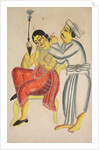
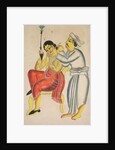
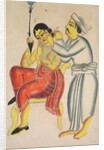
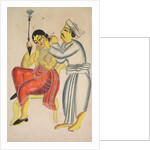
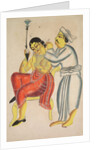
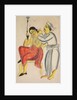
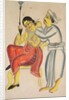
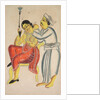
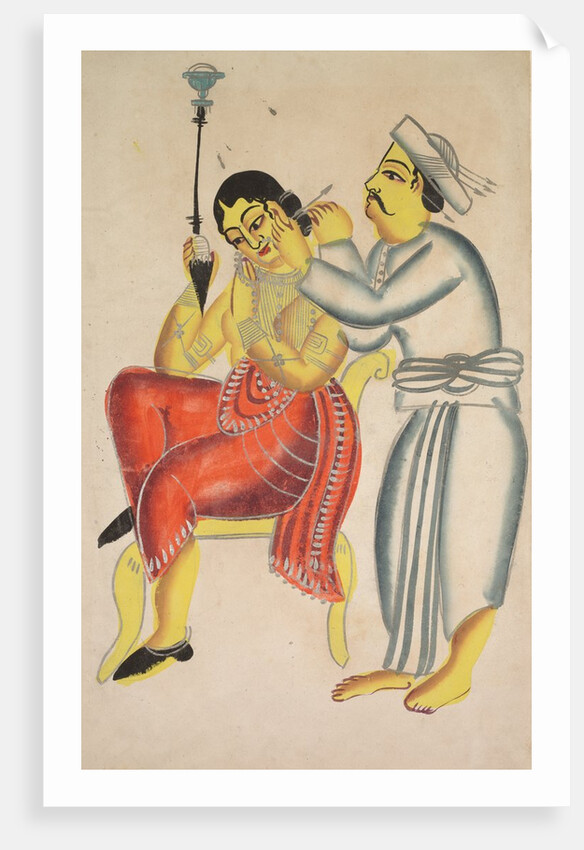
Product images of Barber Cleaning a Woman?s Ear, 1800s




Product details Barber Cleaning a Woman?s Ear, 1800s
Barber Cleaning a Woman?s Ear, 1800s
Barber Cleaning a Woman?s Ear, 1800s. Kalighat paintings reflect the time and context in which they were created. Kalighat painters used their medium to offer penetrating and insightful critiques of British-influenced Indians as well as the British themselves through satires and caricatures. Newly rich Bengali native Indian clerks (babus) aspired to dress and behave like their British masters, and Kalighat painters taunted them for this. A chinless barber with cleaning pins tucked in his turban is cleaning the ears of a lady customer. A fashionable woman, she smokes a hookah and exposes one breast to her flirtatious barber. As the Bengali babus (native Indian clerks) spent time with their mistresses and courtesans, neglected wives and concubines were portrayed as relying on the company of their servants.
- Image ref: 2723512
- Heritage Art/Heritage Images
Find related images
zoom