
Sizing information
| Overall size (inc frame) | x cm ( x in) |
| Depth | cm (in) |
| Artwork | x cm ( x in) |
| Border (mount) |
cm
top/bottom
(in)
cm left/right (in) |
| The paper size of our wall art shipped from the US is sized to the nearest inch. | |

Our prints
We use a 200gsm fine art paper and premium branded inks to create the perfect reproduction.
Our expertise and use of high-quality materials means that our print colours are independently verified to last between 100 and 200 years.
Read more about our fine art prints.
Manufactured in the UK, the US and the EU
All products are created to order in our print factories around the globe, and we are the trusted printing partner of many high profile and respected art galleries and museums.
We are proud to have produced over 1 million prints for hundreds of thousands of customers.
Delivery & returns
We print everything to order so delivery times may vary but all unframed prints are despatched within 1–3 days.
Delivery to the UK, Ireland, mainland EU & US is free when you spend £75. Otherwise, delivery to the UK costs £5 for an unframed print of any size.
We will happily replace your order if everything isn’t 100% perfect.
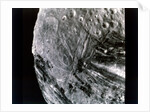
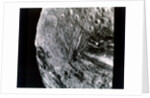
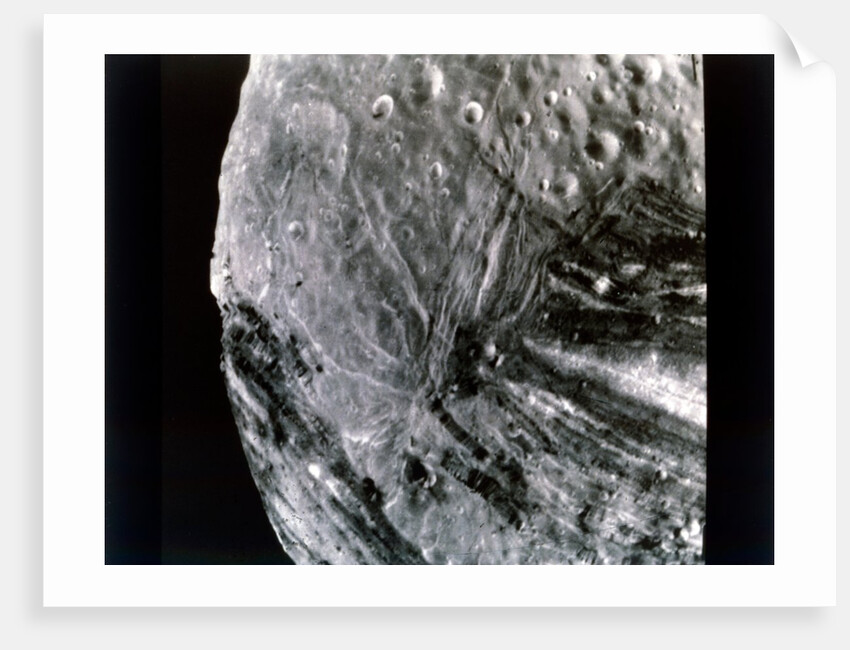
Product images of Miranda, one of the moons of Uranus, seen from Voyager 2, 24 January 1986


Product details Miranda, one of the moons of Uranus, seen from Voyager 2, 24 January 1986
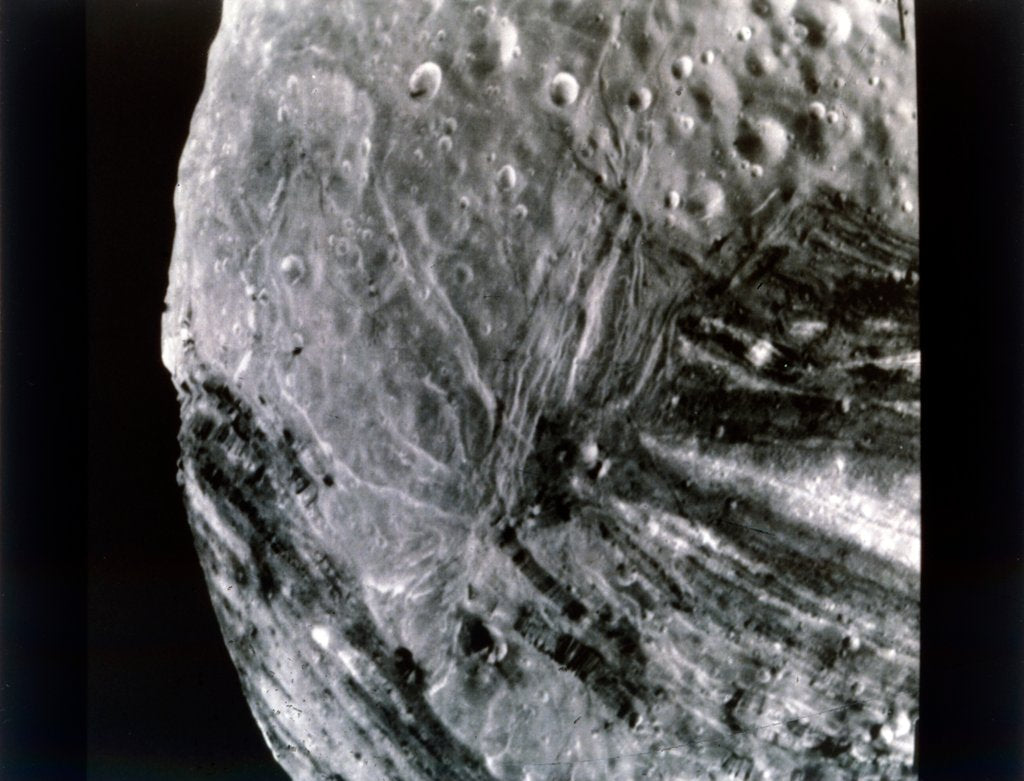
Miranda, one of the moons of Uranus, seen from Voyager 2, 24 January 1986
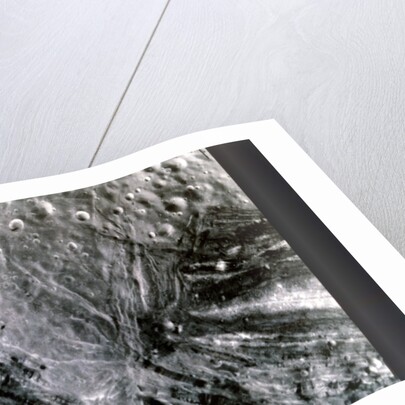
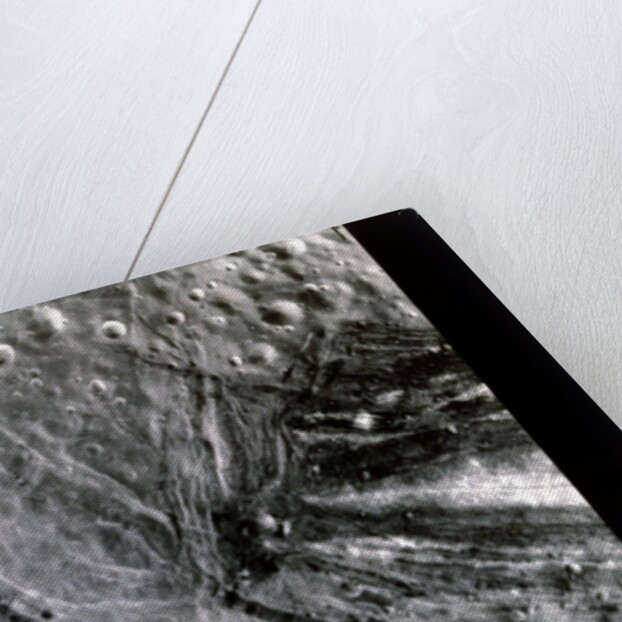
Miranda, one of the moons of Uranus, seen from Voyager 2, 24 January 1986. High-resolution image of Miranda, also designated Uranus V, the smallest and innermost of Uranus' five moons, taken from the Voyager unmanned spacecraft from a distance of approximately 31,000 kilometers (19,000 miles), shortly before the spacecraft's closest approach to the Uranian moon. The high resolution of 600 meters (2,000 feet) reveals fractures, grooves and craters, as well as features of different albedos (reflectancea). This view encompasses areas of older, heavily cratered terrain with a wide variety of forms. The grooves and troughs reach depths of a few kilometers (or miles) and expose materials of different albedos. The great variety of directions of fractures and troughs, and the different densities of impact craters on them, signify a long, complex geologic evolution of this satellite.
- Image ref: 2701540
- Heritage Space
Find related images
zoom