Sizing information
| Overall size (inc frame) | x cm ( x in) |
| Depth | cm (in) |
| Artwork | x cm ( x in) |
| Border (mount) |
cm
top/bottom
(in)
cm left/right (in) |
| The paper size of our wall art shipped from the US is sized to the nearest inch. | |

Our framed prints
Every framed picture is created by hand in our workshop by specialist framers.
Black, white, silver, gold or natural frames available, supplied ready to hang.
All our frames have a smooth satin finish, and measure 20mm (front face) by 23mm (depth from wall).
Read more about our framed art prints.
Manufactured in the UK, the US and the EU
All products are created to order in our print factories around the globe, and we are the trusted printing partner of many high profile and respected art galleries and museums.
We are proud to have produced over 1 million prints for hundreds of thousands of customers.
Delivery & returns
We print everything to order so delivery times may vary but all framed pictures are despatched within 3 days.
Delivery to the UK, Ireland, mainland EU & US is free when you spend £75. Otherwise, delivery to the UK costs £10 for a single framed print.
We will happily replace your order if everything isn’t 100% perfect.
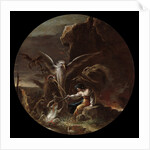
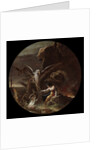
Product images of Scenes of Witchcraft, c. 1645-1649


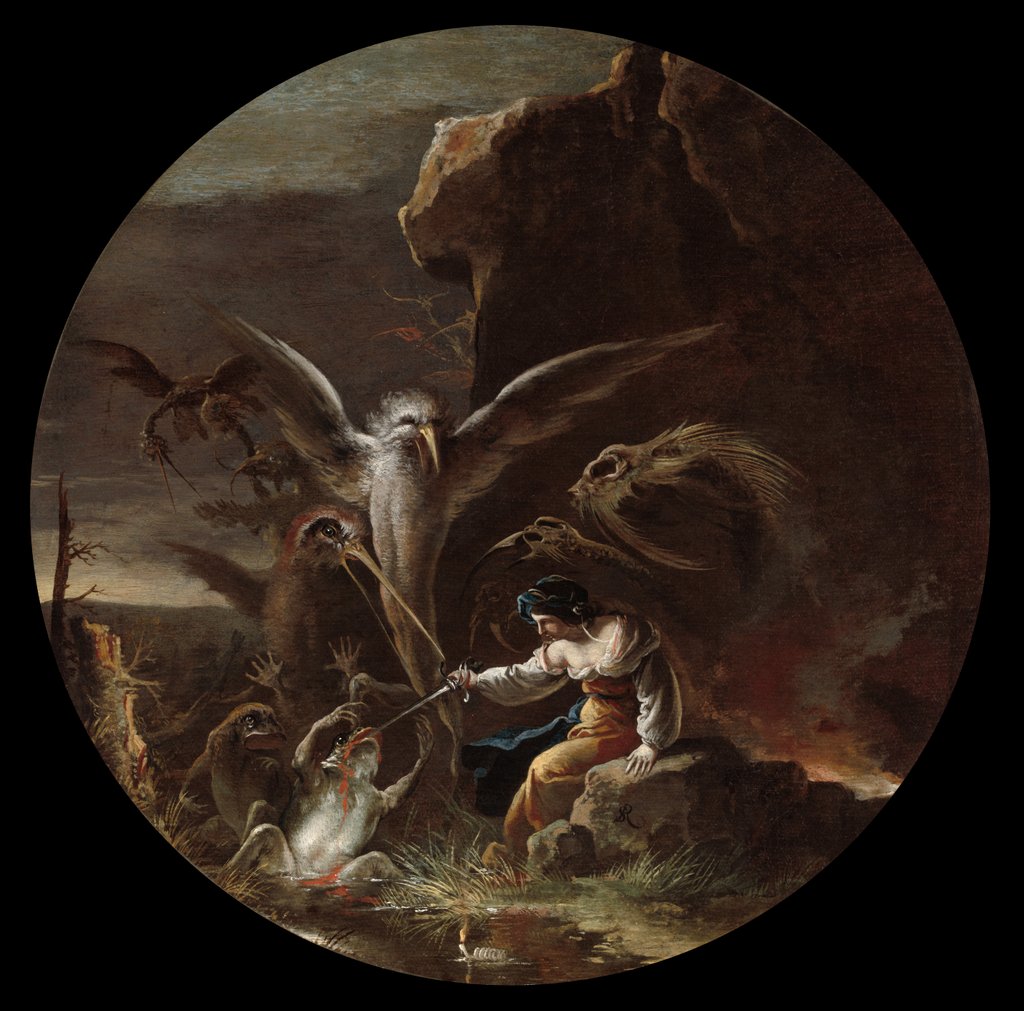
Product details Scenes of Witchcraft, c. 1645-1649
Scenes of Witchcraft, c. 1645-1649
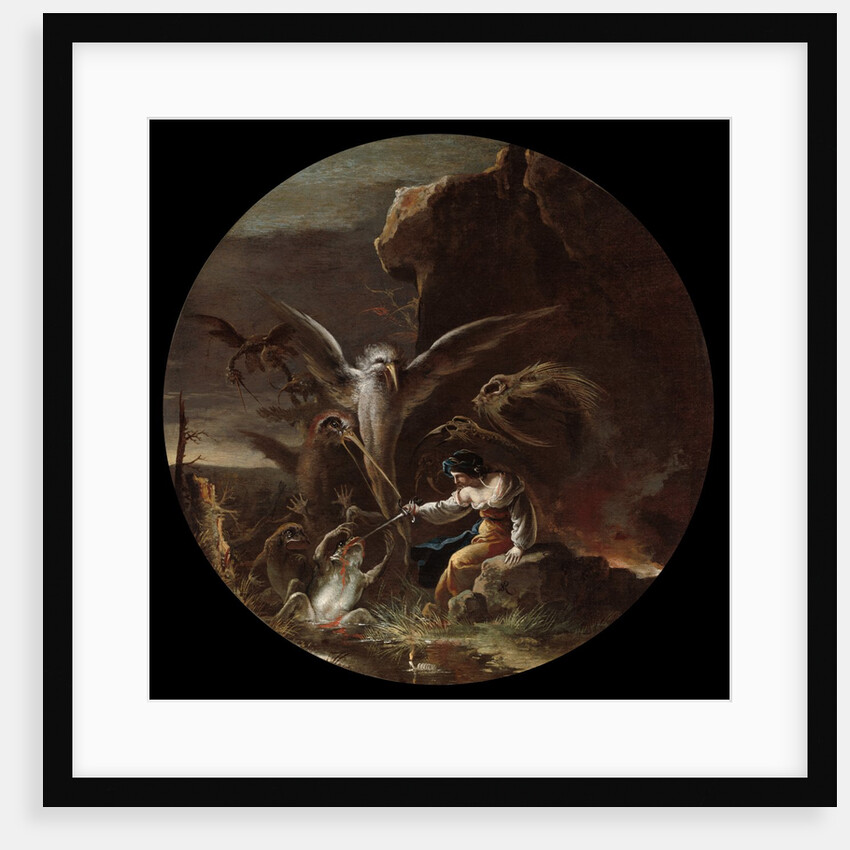
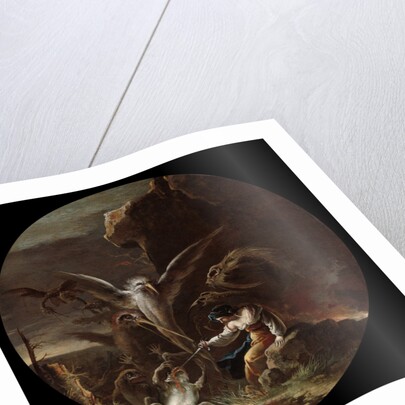
Scenes of Witchcraft, c. 1645-1649. A huge upturn in interest in witchcraft emerged during the 1500s in Europe, but by the middle of the next century?at least among the cultured elite of Florence?a backlash arose against the many accusations of sorcery. Artists and writers explored the topic more out of curiosity and amusement, chief among them the poet, painter, and satirist Salvator Rosa, who examined witchcraft with gusto in numerous poems and works of art, including these four paintings. They show a range witch types, from the beautiful enchantress to the old crone to the male sorcerer, and represent activities commonly associated with black magic: levitation, love potions, devil worship, the invocation of demons, and transformation. A common subject in Italian art of the 1600s, transformation was usually seen in interpretations of myths based on Ovid's ancient Latin text, the Metamophoses . Rosa found a novel way to exploit this idea, drawing attention to his own ability to transform paint and canvas into a disturbing, nightmarish world.
- Image ref: 2739907
- Heritage Art/Heritage Images
Find related images
zoom