Sizing information
| Overall size (inc frame) | x cm ( x in) |
| Depth | cm (in) |
| Artwork | x cm ( x in) |
| Border (mount) |
cm
top/bottom
(in)
cm left/right (in) |
| The paper size of our wall art shipped from the US is sized to the nearest inch. | |

Our framed prints
Every framed picture is created by hand in our workshop by specialist framers.
Black, white, silver, gold or natural frames available, supplied ready to hang.
All our frames have a smooth satin finish, and measure 20mm (front face) by 23mm (depth from wall).
Read more about our framed art prints.
Manufactured in the UK, the US and the EU
All products are created to order in our print factories around the globe, and we are the trusted printing partner of many high profile and respected art galleries and museums.
We are proud to have produced over 1 million prints for hundreds of thousands of customers.
Delivery & returns
We print everything to order so delivery times may vary but all framed pictures are despatched within 3 days.
Delivery to the UK, Ireland, mainland EU & US is free when you spend £75. Otherwise, delivery to the UK costs £10 for a single framed print.
We will happily replace your order if everything isn’t 100% perfect.
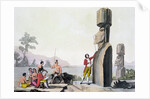
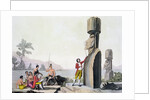
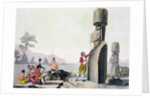
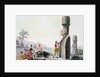
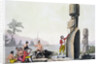
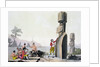
Product images of Statues on Easter Island
Product details Statues on Easter Island
Statues on Easter Island
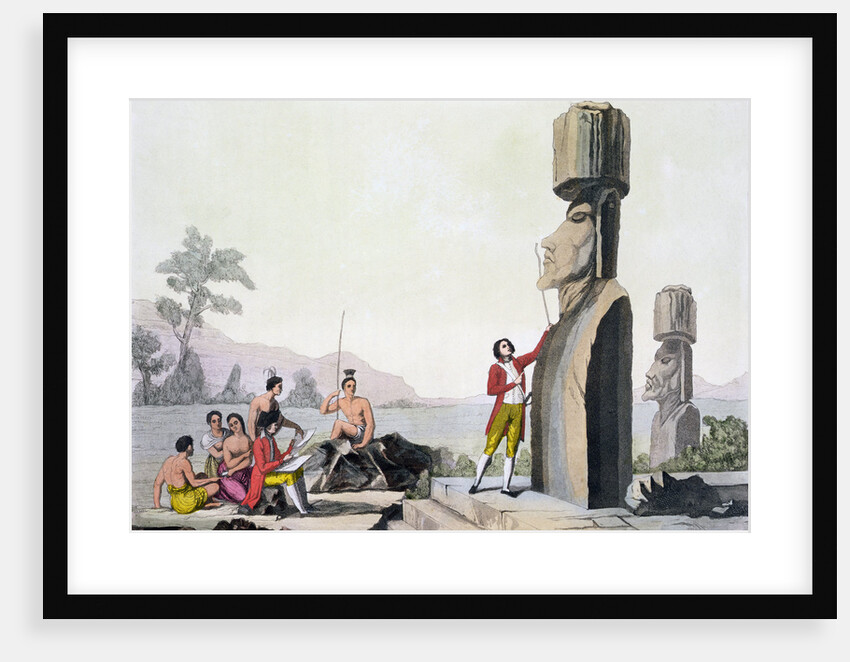
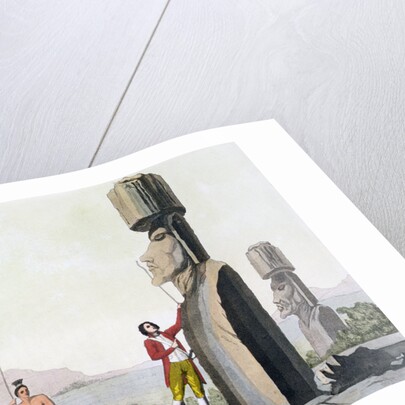
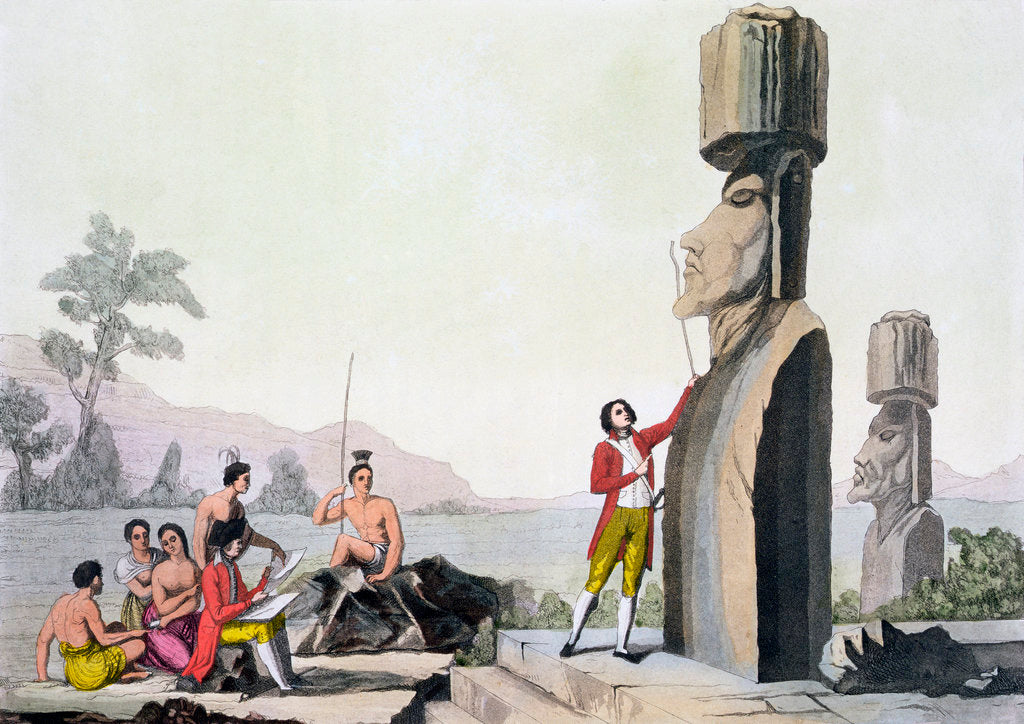
Statues on Easter Island, late 18th century. Known as Moai, these large stone statues in human form are carved from a type of volcanic rock known as tuff. The statues were carved at a quarry on the island between c1000 and 1600 and transported some distance to the sites where they were to stand. The cult of carving Moai seems to have been abandoned quite abruptly as many of the figures, both finished and unfinished, remain in the quarry. The population of Easter Island declined from the 14th or 15th century, possibly due to the environmental consequences of deforestation, which led to soil erosion and meant that the inhabitants no longer had the material to build fishing boats. War, disease and the consequences of contact with Europeans from the early 18th century accelerated the decline and today the islanders' ancient culture is forgotten and the significance of the mysterious Moai within it is uncertain. From an account of Captain James Cook's visit to the island in 1774.
- Image ref: 1632941
- Stapleton Historical Collection / Heritage Images
Find related images
zoom