Sizing information
| Overall size (inc frame) | x cm ( x in) |
| Depth | cm (in) |
| Artwork | x cm ( x in) |
| Border (mount) |
cm
top/bottom
(in)
cm left/right (in) |
| The paper size of our wall art shipped from the US is sized to the nearest inch. | |

Our framed prints
Every framed picture is created by hand in our workshop by specialist framers.
Black, white, silver, gold or natural frames available, supplied ready to hang.
All our frames have a smooth satin finish, and measure 20mm (front face) by 23mm (depth from wall).
Read more about our framed art prints.
Manufactured in the UK, the US and the EU
All products are created to order in our print factories around the globe, and we are the trusted printing partner of many high profile and respected art galleries and museums.
We are proud to have produced over 1 million prints for hundreds of thousands of customers.
Delivery & returns
We print everything to order so delivery times may vary but all framed pictures are despatched within 3 days.
Delivery to the UK, Ireland, mainland EU & US is free when you spend £75. Otherwise, delivery to the UK costs £10 for a single framed print.
We will happily replace your order if everything isn’t 100% perfect.
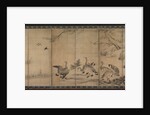
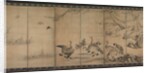
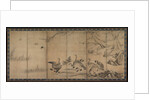
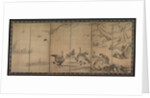
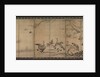
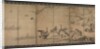
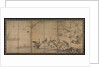
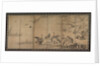
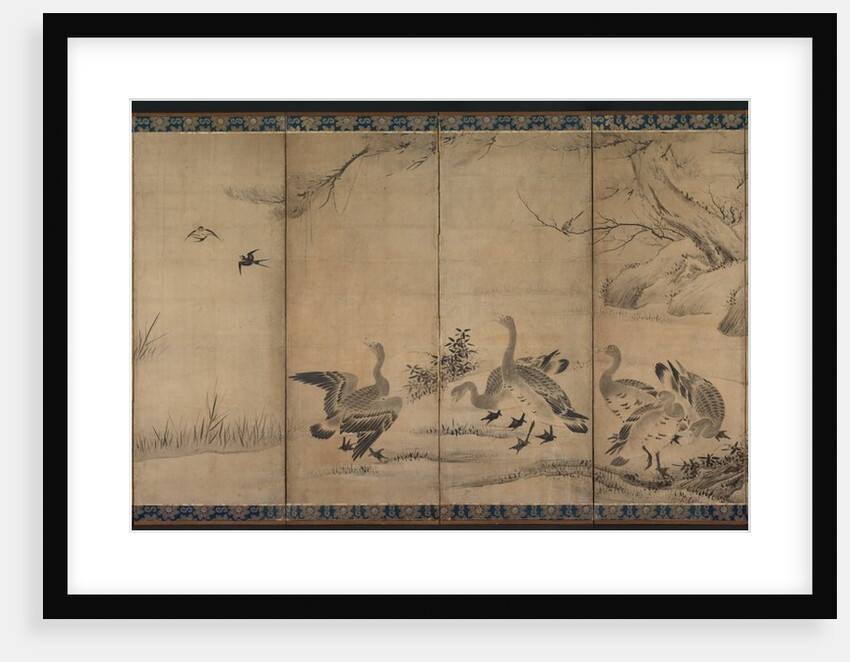
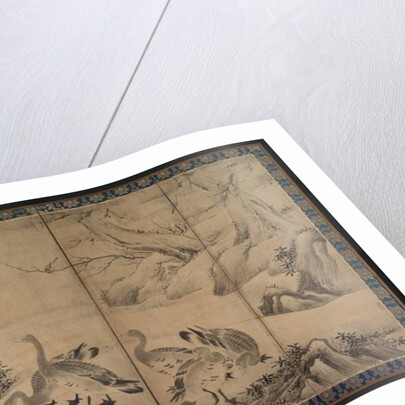
Product images of Wild Geese, late 1500s-early 1600s



Product details Wild Geese, late 1500s-early 1600s
Wild Geese, late 1500s-early 1600s
Wild Geese, late 1500s-early 1600s. Depictions of geese usually appear as ink paintings in Japan during the 1200s. They later show up in the colourful landscapes of illustrated handscrolls. Such early ink renditions of the birds have long been associated with classical Chinese Zen painting and poetry, which was avidly admired and collected in medieval Japan. In the screens on display, the artist portrayed the waterfowl in a pastoral setting without reference to classical or religious themes. Such ordinary subjects were imbued with special meaning in 14th- and 15th-century Japan through associations with continental culture, Zen thought and poetry, and famous Chinese monk-painters whose painting techniques had become revered as visual emblems of Zen principles. The screens here reflect the continuation of that painting tradition in the late 1500s or early 1600s by the head of the most important studio in Kyoto. Sanraku also executed a number of colourful folding screen compositions, but here pays homage to the style of early Zen painting.
- Image ref: 2748040
- Heritage Art/Heritage Images
Find related images
zoom